




Traffic Management Safety Initiatives
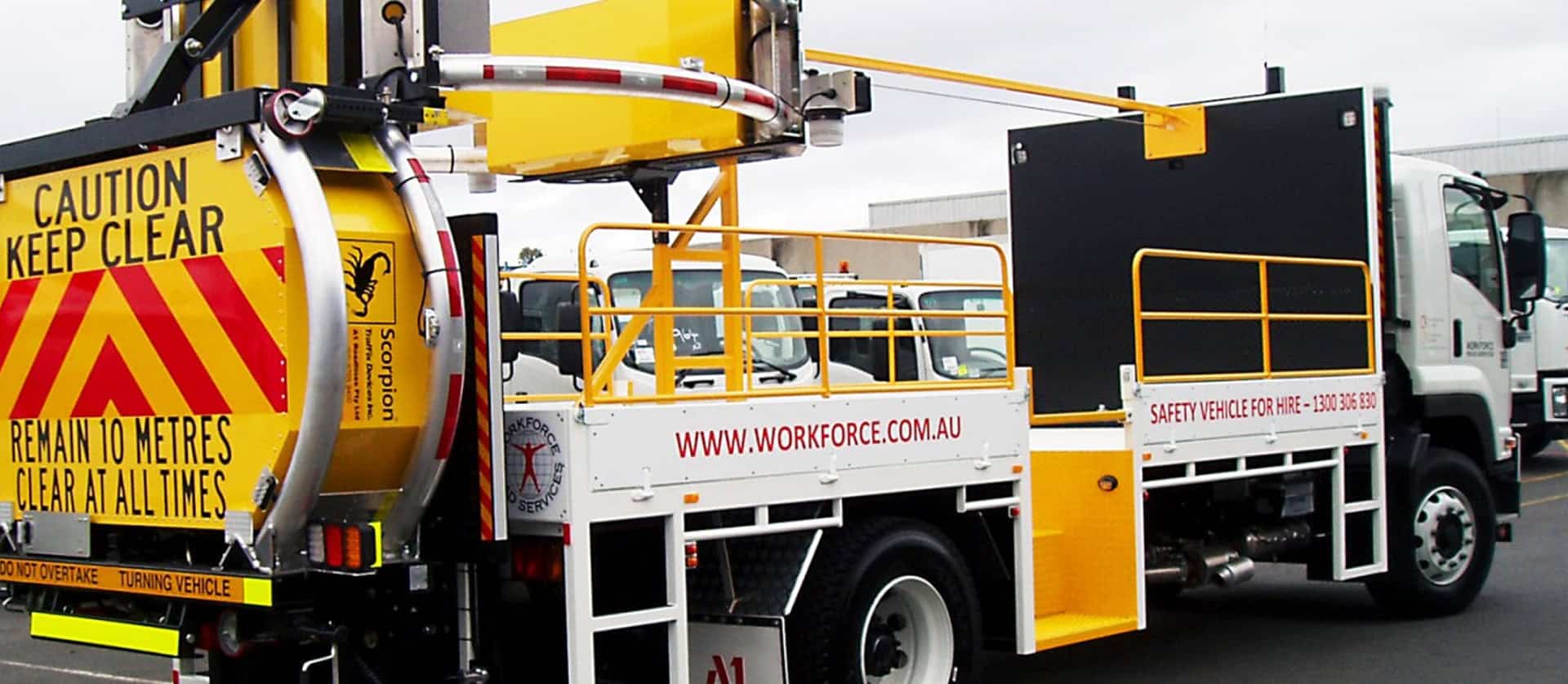
Workforce International Group implements structured safety initiatives across all traffic management operations to reduce risk, protect workers and road users, and support compliant delivery in live environments.
These initiatives form an integral part of how traffic management services are planned, deployed and supervised.
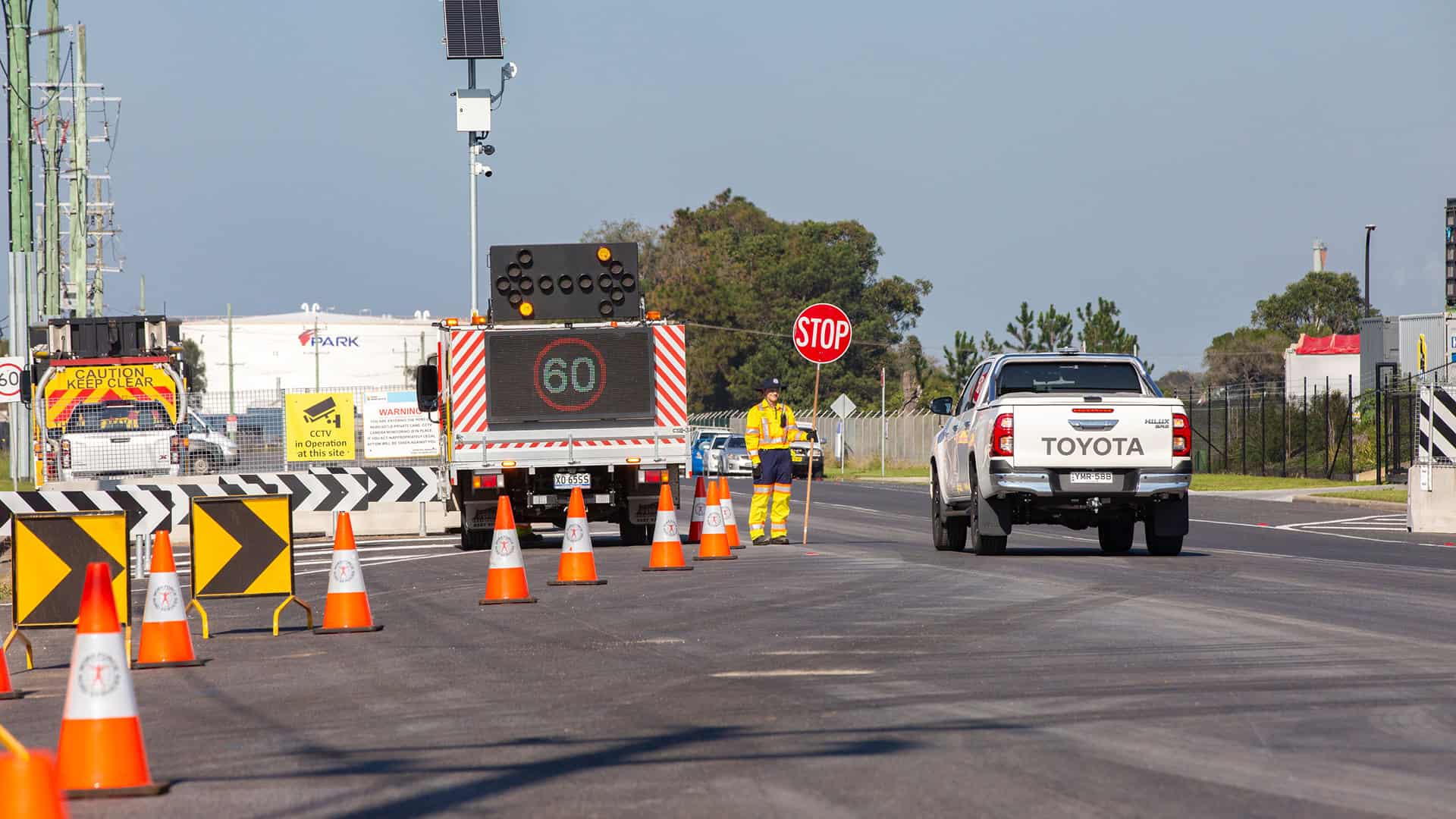
We operate through specialist entities to deliver workforce solutions, traffic management and line marking services across Australia. This structure allows us to provide national capability while maintaining clear accountability and local delivery.
Safety Embedded into Traffic Management Delivery
Safety applied as a system, not an afterthought.
A Risk-Based Approach to Traffic Safety
A Risk-Based Approach to Traffic Safety
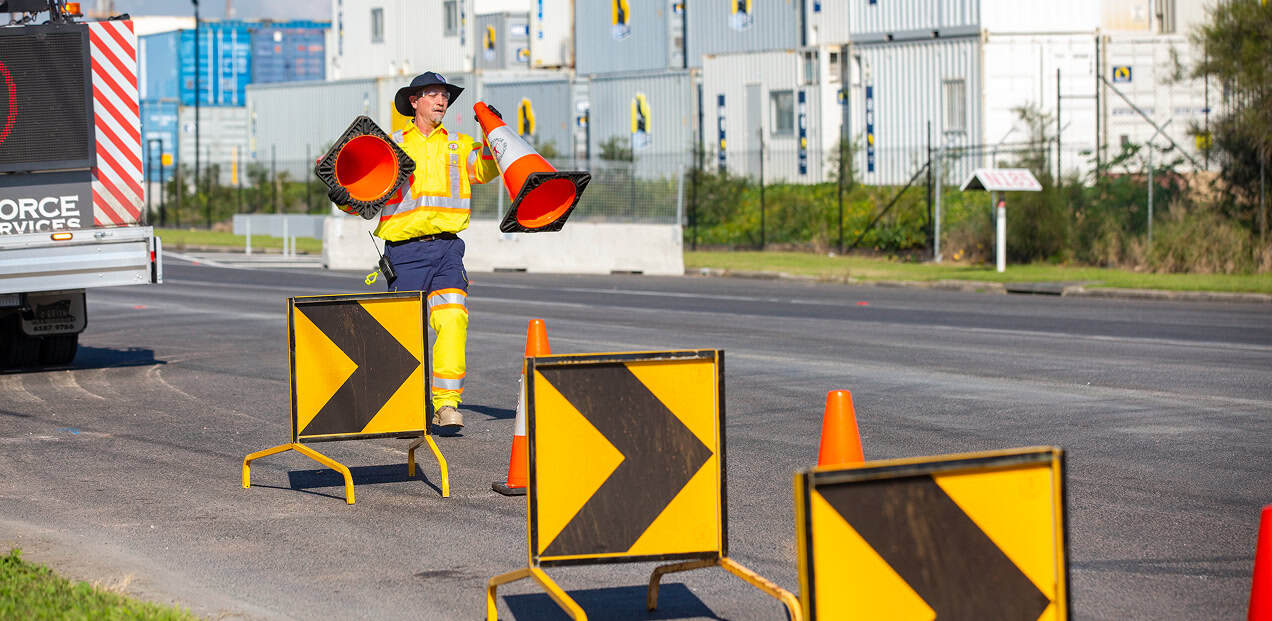
Traffic management safety is approached through systematic risk identification and control. Each worksite is assessed for traffic speed, volumes, road geometry, pedestrian interaction and environmental conditions before deployment.
Controls are selected to reduce exposure, manage driver behaviour and protect workers within live traffic corridors. This approach supports consistent safety outcomes across varied operating conditions.
Safety Integrated with Planning and Operations
Safety Integrated with Planning and Operations
Safety considerations are embedded into traffic planning, crew deployment and on-site supervision. Traffic Guidance Schemes and Traffic Management Plans are developed with safety as a primary objective, not simply compliance.
Integration between planning and field operations ensures safety controls remain practical, visible and effective once implemented on site.
Continuous Review in Dynamic Environments
Continuous Review in Dynamic Environments
Live traffic environments change rapidly. Safety initiatives include ongoing monitoring and review to ensure controls remain effective as conditions evolve due to weather, traffic behaviour or work staging.
Workforce Safety and Competency Initiatives
Protecting people through preparation and support.
Training and Competency Maintenance
Traffic management personnel are trained and accredited in accordance with state and territory requirements. Ongoing competency management ensures workers remain current with procedures, standards and safe work practices.
Refresher training and toolbox discussions reinforce hazard awareness and promote consistent application of safety controls.
Inspection and Verification
Extended hours, night works and variable shifts increase fatigue risk. Safety initiatives include fatigue-aware rostering, shift planning and escalation protocols to manage fitness for work.
This reduces error, improves situational awareness and supports sustained safe performance.
Consistency Across Programs
Appropriate supervision is provided to support safety compliance and situational control. Supervisors monitor conditions, manage changes to traffic arrangements and intervene where risks emerge.
Strong on-site leadership reinforces safety expectations and supports rapid response to hazards.
Compliance and Safety Governance
Safety supported by structured control.
Safety Management Systems
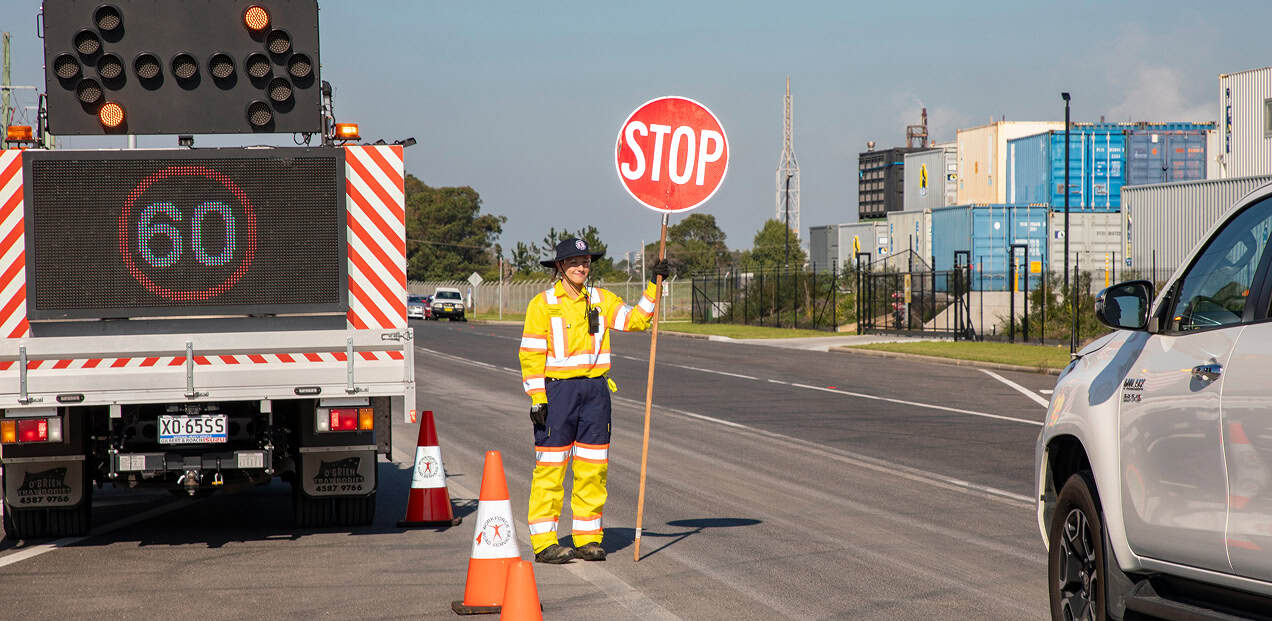
Traffic management safety initiatives operate within structured management systems that support risk assessment, documentation and compliance monitoring. These systems provide consistency across sites and projects.
Documentation and Record Keeping
Clear documentation supports accountability and continuous improvement. Safety records, training records and planning documentation provide evidence of due diligence and compliance.
Monitoring and Assurance
Ongoing monitoring supports assurance that safety controls remain effective. This includes site observations, supervisor checks and internal review processes.
Risk-Informed Traffic Guidance Schemes
Traffic Guidance Schemes are developed using a risk-informed approach that considers site-specific hazards, traffic conditions and work activities. Safety controls are selected to minimise exposure and support predictable traffic flow.
This ensures safety is built into the design, not added after approval.
Staging and Transition Safety
Safety initiatives consider how traffic arrangements change between stages. Clear transition planning reduces confusion during setup, changeover and demobilisation.
This reduces risk during periods when incidents are most likely to occur.
Authority Alignment and Compliance
Planning processes align with road authority guidelines, codes of practice and legislative requirements. This ensures safety initiatives are consistent with regulatory expectations and defensible under audit or review.
Incident Prevention and Response Initiatives
Preparedness for unplanned events.
Proactive Hazard Identification
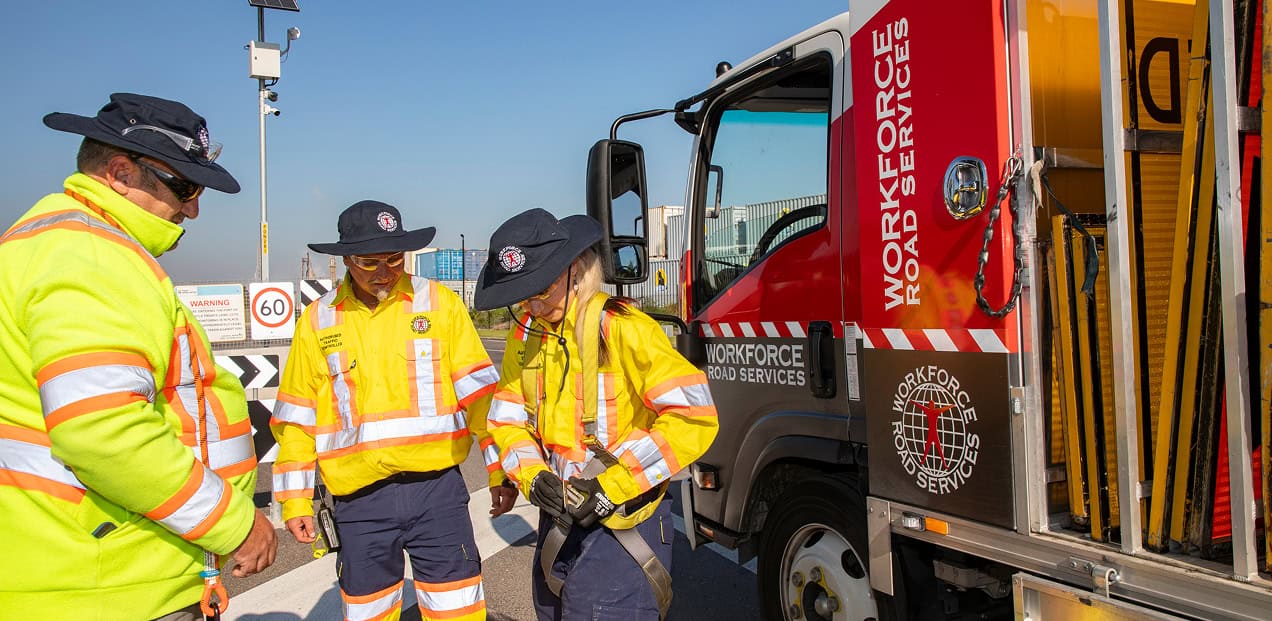
Safety initiatives include proactive identification of hazards such as poor sight distances, driver behaviour trends or environmental factors. Early identification allows controls to be adjusted before incidents occur.
Incident Response and Escalation Protocols
Clear escalation and response protocols support rapid action when incidents or near-misses occur. Crews are trained to respond safely, communicate effectively and maintain control of the site.
Learning from Incidents and Near Misses
Safety initiatives include review of incidents and near-misses to identify root causes and improvement opportunities. Lessons learned inform future planning and workforce communication.
Compliance and Safety Governance
Safety supported by structured control.
Safety Management Systems
Traffic management safety initiatives operate within structured management systems that support risk assessment, documentation and compliance monitoring. These systems provide consistency across sites and projects.
Documentation and Record Keeping
Clear documentation supports accountability and continuous improvement. Safety records, training records and planning documentation provide evidence of due diligence and compliance.
Monitoring and Assurance
Ongoing monitoring supports assurance that safety controls remain effective. This includes site observations, supervisor checks and internal review processes.
Using Data to Improve Safety Outcomes
Safety initiatives are informed by operational data, incident trends and workforce feedback. This data supports targeted improvements and refinement of controls.
Workforce Engagement in Safety
Workers are encouraged to contribute to safety improvement through reporting, feedback and participation in safety discussions. Engagement supports ownership and practical risk awareness.
Adapting to Industry and Regulatory Change
Traffic safety requirements evolve over time. Safety initiatives are reviewed to reflect changes in standards, authority requirements and industry best practice.
Continuous Improvement in Traffic Safety
Safety evolves with experience and feedback.
Safety Across Diverse Traffic Environments
Consistent principles, applied locally.
Urban and High-Volume Corridors
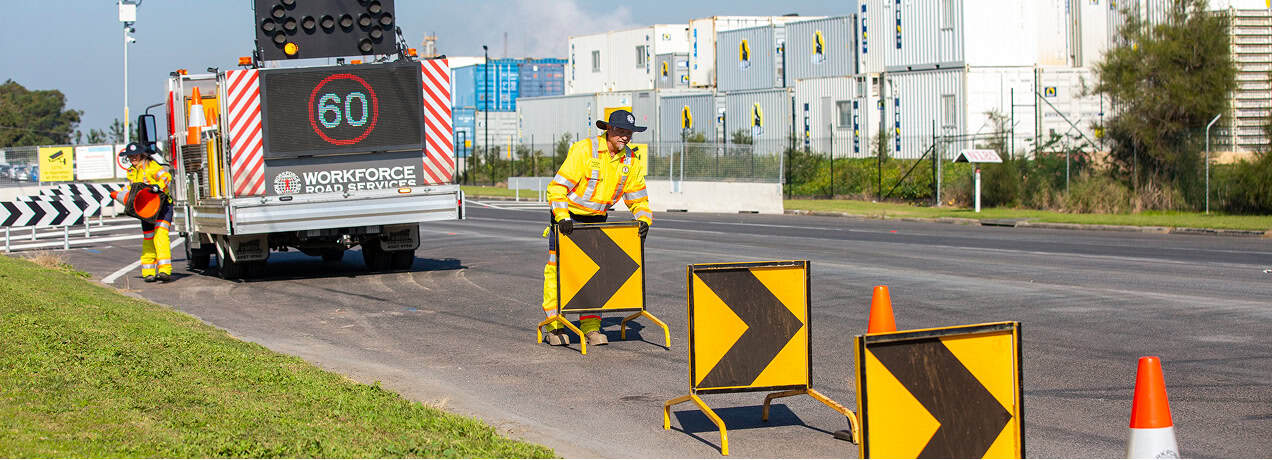
Safety initiatives address congestion, complex intersections and high pedestrian interaction in urban environments.
Regional and Remote Road Networks
In regional and remote settings, safety initiatives consider speed, limited visibility and reduced emergency response access.
Night Works and Restricted Access
Additional controls support safety during night works and restricted access windows where visibility and fatigue risks increase.

A Structured, Preventative Model
Traffic management safety initiatives are not reactive. They are structured, preventative and embedded into planning, deployment and supervision.
By combining competent people, risk-based planning and disciplined systems, Workforce delivers traffic management safety outcomes that protect workers, road users and the communities in which we operate.